
North Houston Buyer Strategy

New Construction Homes in North Houston


Buying new is different. Your strategy should be too. Compare communities, builders, lots, incentives, taxes, inspections, financing, and long-term ownership before you commit.

Inventory HomesTo-Be-BuiltCustom BuildsNorth Houston
3Purchase Paths
19Decision Stages
Price +Real Cost Matters
LotLocation Matters
InspectEven When New
New Construction Overview

Buying New Is Different. Your Strategy Should Be Too.


A new home can offer modern layouts, newer systems, energy-efficient features, builder warranties, and access to growing communities—but buying new construction involves decisions that do not always exist in a traditional resale purchase.

The advertised price may be only the beginning. Lot premiums, upgrades, property taxes, HOA or community assessments, financing incentives, deposits, builder timelines, inspections, warranties, and future development can all influence whether one home represents better value than another.

The goal is not simply to find a new home.
It is to understand what you are buying, what you are paying for, and how that decision may affect you beyond closing.

Start with the broader buying picture

This page focuses specifically on new construction. For the complete home-buying framework—from preparation through closing and homeownership—use the Buyer’s Guide alongside it.

Your Purchase Path

What Does “New Construction” Actually Mean?


New construction can describe several very different transactions. Understanding which path you are considering changes the questions you should ask, the timeline you should expect, and how much control you may have over the final home.

Quick Move-In / Inventory Home

A home the builder has already started—or completed—based on a predetermined floor plan and selections.

Potential advantages

  • Faster closing
  • Actual home can often be viewed
  • Finished selections are already known
  • Completed inventory may receive targeted incentives

Considerations

  • Limited customization
  • Lot already selected
  • Finishes may not match every preference
  • Incentives may vary by home

To-Be-Built / Personalization

You select an available floor plan and homesite and the builder constructs the home. Depending on stage and builder, structural and design selections may be available.

Potential advantages

  • Greater personalization
  • More homesite choices
  • Ability to follow construction progress

Considerations

  • Longer timeline
  • Schedules can change
  • Upgrades can increase cost quickly
  • Deposits and change-order policies matter

Custom / Build on Your Lot

This is a different path from purchasing inside a traditional builder community. It may involve land, builder selection, plans, site work, utilities, financing, feasibility, and a different contract structure.

Why buyers consider new construction

Potential Benefits

Modern floor plans, newer HVAC and building systems, lower immediate replacement needs, technology integration, builder warranty coverage, and community amenities can all be attractive.

But “New” Does Not Automatically Mean “Better”

A model home does not answer the harder questions about total cost, taxes, lot placement, future development, inspection access, warranty procedures, appraisal, or whether the floor plan will still work for you later.

Location Before Builder

New Construction Across North Houston


There is not one “North Houston new-construction market.” Different corridors can offer very different combinations of builders, lot sizes, property-tax structures, commute access, community amenities, utilities, and development patterns.

Tomball

Compare SH 249 access · Grand Parkway access · tax structure · lot size · community maturity · surrounding growth.

Explore Tomball New Construction →

Cypress

Compare amenities · commute routes · community fees · tax rates · builder competition · build-out stage.

Explore Cypress New Construction →

Magnolia

Compare FM 1488 access · SH 249 access · utilities · tax districts · lot characteristics · future development.

Explore Magnolia New Construction →

Spring / Klein

Compare location · established infrastructure · lot availability · commute · surrounding development.

Explore Spring New Construction →

Conroe

Compare I-45 access · Loop 336 · community location · taxes · utilities · future growth.

Explore Conroe New Construction →

Montgomery

Compare commute · acreage · utilities · Lake Conroe proximity · community structure.

Explore Montgomery New Construction →

Hockley

Compare US 290 access · Grand Parkway · community build-out · infrastructure · lot options.

Explore Hockley New Construction →

Pinehurst

Compare available land · utility structure · nearby development · Tomball/Magnolia access · lot characteristics.

Explore Pinehurst New Construction →

The Woodlands Area

Compare newer development around the broader Woodlands corridor · established surroundings · commute access · community maturity.

Explore The Woodlands New Construction →

Relocating or comparing unfamiliar areas?

Use the relocation guides to understand the broader lifestyle and location picture before narrowing to a specific builder community.

The Buying Roadmap

A 19-Stage New-Construction Strategy


01

Establish the Real Budget

Start with the total housing cost you are comfortable carrying—not simply the highest purchase price you may qualify for. Evaluate purchase price, down payment, rate, taxes, homeowners insurance, mortgage insurance when applicable, HOA dues, potential MUD/PID costs, upgrades, closing costs, and cash reserves.

02

Compare Areas Before Builders

A better order is Lifestyle → Area → Community → Builder → Lot → Home. Flooring and fixtures can change. Commute, taxing jurisdiction, lot location, nearby roads, easements, and the surrounding neighborhood are much harder to change.

03

Compare Communities

Review location, tax structure, HOA, MUD/PID or other districts, community build-out, amenities, objective school and boundary resources, utilities, flood and drainage considerations, and future development.

04

Compare Builders—Not Just Base Prices

Builder reputation and subdivision reputation are not always the same. Compare what is actually included and how the construction, communication, inspection, design-center, change-order, and warranty processes work.

Compare Builder A Builder B
Base price
Included features
Lot premium
Structural options
Design allowance
Incentives / financing
Estimated taxes
HOA / community costs
Warranty
Estimated completion
Inspection access
05

Choose the Floor Plan

Look beyond model-home furniture. Consider actual room dimensions, storage, pantry, laundry location, bedroom separation, natural light, garage dimensions, hallways, ceiling heights, outdoor space, mechanical equipment, and attic access. Also consider future versatility: bedroom count, bathrooms, office/flex space, garage capacity, kitchen layout, and lot desirability.

Lot Strategy

The Lot May Matter as Much as the House


06

Before You Pay a Lot Premium, Understand What You Are Buying

Evaluate orientation and afternoon sun, grading and drainage, easements, adjoining property, road position, amenity proximity, utility equipment, future phases, and the reason for any lot premium.

A lot premium tells you what the builder is charging. It does not guarantee that a future buyer will pay the same premium back to you.
07

Model Home ≠ Base Home

Ask for an itemized understanding of what is standard, what is upgraded, and what will actually be delivered with your home.

Structural

Extended patio · extra bedroom · study · game room · media room · bay windows · garage extension

Interior

Flooring · cabinets · countertops · backsplash · lighting · plumbing fixtures

Exterior

Elevation · brick/stone · landscaping · irrigation · gutters · fencing

Technology

Cameras · Wi-Fi equipment · speakers · smart switches

Real Purchase Price

Understand the Real Price, Not Just the Advertised Price


08

Example: How the Price Can Grow

Advertised Price$399,990
Lot Premium+ $12,500
Structural Options+ $8,500
Design Selections+ $18,000
Appliances / Features+ $4,500
Purchase Price$443,490

Then account for financing costs, prepaid taxes and insurance, closing costs, and ongoing taxes, HOA dues, or community assessments.

Incentives & Representation

Look at the Net Result


09

A Bigger Incentive Does Not Automatically Mean the Better Deal

Builders may advertise rate buydowns, closing-cost assistance, design credits, appliance packages, lot discounts, upgrade credits, price reductions, or quick-move-in promotions. Compare the home price, lender terms, fees, credits, cash to close, and projected payment together.

Builder-Lender Scenario

Higher price + large credit or rate buydown may reduce upfront cost or payment.

Outside-Lender Scenario

Different rate + different fees + smaller credit may still produce a stronger overall result.

10

Before You Tour, Understand Representation

Builder sales representatives work on behalf of the builder's sales operation. If you want your own real estate professional advising you, it is better to understand representation before you begin touring communities and registering with builders.

Texas written buyer-agreement requirements changed effective January 1, 2026. Address representation and the scope of services before showings or other required points in the transaction.

11

A New-Construction Contract Deserves Careful Attention

Understand earnest money and other deposits, construction deposits, financing deadlines, closing dates, extension provisions, change orders, selections, appraisal provisions, inspection access, warranties, default provisions, and what happens if construction, financing, or appraisal conditions change.

Real estate guidance is not legal interpretation. Your REALTOR® can help you understand the transaction and identify questions or concerns; legal interpretation should be addressed by an attorney when appropriate.
Construction & Inspection

Follow the Build—and Inspect the New House


12

Construction Is a Process, Not a Single Event

Follow the seven major build stages below. On desktop, hover or click a stage to view it. On touch devices, tap normally. The active stage stays synchronized with the detail panel.

Stage 1 — Site Preparation & Foundation

The homesite is prepared, forms and underground components are addressed, and the foundation is constructed. Depending on the build and builder access rules, this is also where a pre-pour inspection may fit.

Stage 2 — Framing

The home's structural shape becomes visible as walls, roof framing, openings, and major structural components are assembled.

Stage 3 — Mechanical Rough-Ins

Plumbing, electrical, HVAC, low-voltage, and related systems are installed before the walls are closed. A pre-drywall inspection may be considered when allowed by the builder and contract.

Stage 4 — Insulation & Drywall

Insulation is installed and drywall begins enclosing the structure. The home starts looking less like a construction site and more like the floor plan you selected.

Stage 5 — Interior Finishes

Cabinetry, countertops, flooring, trim, paint, fixtures, appliances, and other selected finishes are installed. This is where selections and change orders become especially visible.

Stage 6 — Exterior & Final Completion

Exterior details, landscaping, grading, system completion, final trade work, and builder quality-control items move toward completion. Construction progress can still change because of weather, inspections, materials, trades, and utility connections.

Stage 7 — Inspection, Walkthrough & Closing

Final inspection opportunities, builder punch-list items, walkthrough documentation, financing, insurance, title, utilities, and closing all come together. Inspection findings and builder punch-list items should be treated as related but distinct parts of the final review.

13

New Does Not Mean Inspection-Free

Depending on the builder, contract, and construction stage, buyers may consider a pre-pour inspection, pre-drywall inspection, final inspection, and a later warranty inspection before an applicable warranty deadline.

14

Appraisal Still Matters

New construction does not mean the contract price automatically becomes appraised value. Upgrades and lot premiums do not necessarily contribute dollar-for-dollar to the appraisal.

15

Property Taxes Can Be One of the Biggest Surprises

A newly constructed property can transition from land-only or incomplete-improvement valuation to a completed-home valuation. Do not assume an earlier tax bill represents what you will pay after the completed home is fully reflected on the appraisal roll.

Planning formula: Property Value × Combined Tax Rate − Applicable Exemptions = Approximate Tax Liability. Actual calculations vary by property and taxing jurisdictions.
16

Shop Insurance Before the Final Week

Location, wind/hail exposure, roof, flood exposure, construction type, replacement cost, deductibles, claims environment, and coverage selections can affect cost or eligibility. New construction does not automatically mean cheaper insurance.

Walkthrough & Closing

Finish the Transaction Carefully


17

The Final Walkthrough Is Not Just a Tour

Review interior finishes, doors, cabinets, counters, flooring, trim, walls, fixtures, exterior surfaces, drainage, fencing, landscaping, HVAC, plumbing, electrical, appliances, incomplete items, missing features, construction damage, manuals, keys, garage remotes, and warranty documents.

Keep inspection findings and builder punch-list items organized as related—but not identical—categories.

18

Verify the Final Numbers and Documents

Review the final Closing Disclosure, cash to close, financing terms, credits and incentives, property-tax estimates, insurance, title, utilities, builder documentation, walkthrough items, and warranty information.

After Closing

Your First Year Still Matters


19

Become an Informed Homeowner

Immediately After Closing

Secure documents · transfer utilities · review warranty procedures · document home condition.

First Few Months

Learn systems · follow maintenance schedules · track warranty items · keep organized records.

Property Taxes

Verify appraisal-district ownership · review exemption eligibility · monitor notices.

Future Resale

Keep records of upgrades · repairs · warranties · surveys · improvements.

Questions Worth Asking

New-Construction Red Flags


Urgency or a polished model home should never replace understanding the full transaction.

!

“This incentive expires today.”

Urgency may be legitimate, but understand the complete offer before committing.

!

“Everyone uses our lender.”

Ask what is required and compare the full financing picture.

!

“You do not need an inspection. It is new.”

New construction can still have defects or incomplete items.

!

“Taxes should be about what they are today.”

Verify whether the current assessment includes the completed improvement.

!

“That land behind you probably will not be developed.”

Research available development information instead of relying on assumptions.

!

“The model is basically the same as what you are buying.”

Identify every structural and design difference.

New vs. Resale

Sometimes the Right Answer Is Not New Construction


New Construction

New systems · builder warranty may apply · potential customization · builder incentives possible · developing community · construction timelines possible · new tax-valuation considerations.

Resale

Existing systems · property history may be available · established finishes · seller negotiation possible · established surroundings · more defined closing timeline · established tax history.

Neither is automatically better. The right choice depends on budget, location, timeline, maintenance preferences, and long-term goals.

Buyer Checklist

Questions to Ask Before You Commit


About the Community

What is planned? · Who maintains amenities? · What fees apply? · What phase is being built?

About the Builder

How does the warranty work? · Who handles construction communication? · What inspections are allowed?

About the Home

What is standard? · What is upgraded? · What changes are possible?

About the Lot

Premium? · Easements? · Drainage? · Adjacent development?

About the Money

Actual purchase price? · Taxes? · HOA? · Closing costs? · Incentive requirements?

About the Contract & Closing

Deposits? · Deadlines? · Financing? · Appraisal? · Delay provisions? · Walkthrough? · Punch list? · Warranty documents?

Frequently Asked Questions

New Construction Buyer FAQs


Do I need a REALTOR® when buying new construction?

A buyer can work directly with a builder, but the builder's sales team represents the builder's sales operation. If you want your own real estate professional helping you compare communities, incentives, lots, transaction details, inspections, and the broader purchase strategy, it is better to address representation before you begin touring and registering with builders.

When should I contact a REALTOR® before visiting a builder?

Before your first builder visit is the cleanest time. Builder registration procedures and representation requirements can matter, so understanding your options before you tour can prevent avoidable confusion later.

Do I have to sign a buyer agreement in Texas?

Texas requirements changed effective January 1, 2026. Certain written agreements are required before a residential license holder shows property or, when no showing occurs, before presenting an offer for a buyer. The agreement clarifies the relationship and scope of services.

Does buyer representation increase the price of a new home?

Builder pricing and compensation arrangements vary. Rather than assuming representation changes the price, ask how the builder's pricing, incentives, and compensation structure work for the specific home and transaction.

Can I negotiate with a builder?

Sometimes. Depending on inventory, construction stage, demand, community build-out, and current promotions, a builder may be more flexible on price, closing costs, upgrades, lot premiums, financing incentives, or other terms.

Can I use my own lender?

Often buyers can compare an outside lender with the builder's preferred or affiliated financing option, subject to the contract and program requirements. Compare the actual rate, fees, credits, cash to close, and projected payment—not just the headline incentive.

Are builder incentives really free?

An incentive has value, but it may be tied to a specific lender, title company, closing timeline, inventory home, or pricing structure. Compare the net financial result rather than treating the largest advertised credit as automatically the best deal.

What is a lot premium?

A lot premium is an additional amount charged for a particular homesite because of characteristics such as size, location, view, cul-de-sac position, greenbelt adjacency, or other perceived advantages. The premium is what the builder charges; it does not guarantee equal future resale value.

What is an inventory or quick move-in home?

It is a home the builder has already started or completed using a selected floor plan, lot, and finish package. It can offer a faster timeline, but generally provides less customization than a to-be-built home.

Should I have a new home inspected?

New construction can still have defects, incomplete work, or installation issues. Depending on the builder, contract, and construction stage, buyers may consider pre-pour, pre-drywall, final, and later warranty inspections.

Can I use my own inspector?

That depends on the builder, contract, construction schedule, and access requirements. Confirm permitted inspection stages, notice requirements, and site-access procedures early.

Can upgrades affect my appraisal?

Yes, but not always dollar-for-dollar. The appraiser follows the applicable appraisal process, and the amount you pay for design upgrades or a lot premium does not automatically become equal appraised value.

How accurate are estimated property taxes on a new home?

Use care with early estimates. A property may move from land-only or incomplete-improvement valuation to a completed-home valuation, so an earlier tax bill may not reflect the eventual completed property.

What are MUD and PID costs?

Some communities may be served by municipal utility districts, public improvement districts, or other local structures that can affect taxes, assessments, utilities, or community costs. Identify the specific districts and estimated obligations for the property you are considering.

What happens if construction is delayed?

Weather, inspections, materials, trades, utility connections, and other factors can affect schedules. The contract should be reviewed for estimated completion language, extension rights, financing deadlines, and how delays are handled.

What happens if my financing changes while the house is being built?

A longer construction timeline can create interest-rate, qualification, appraisal, and documentation changes. Stay in communication with the lender and understand financing deadlines and obligations in the contract.

What happens during the final walkthrough?

The walkthrough is a final review of the home's condition and completion. Buyers typically look at finishes, fixtures, doors, cabinets, flooring, exterior items, systems, appliances, missing features, construction damage, keys, remotes, manuals, and warranty information.

What does a builder warranty cover?

Coverage varies by builder and warranty document. Review what is covered, exclusions, claim procedures, reporting deadlines, emergency procedures, and how warranty requests are submitted and handled after closing.

Search Available Homes

Explore New Construction Homes Around North Houston


Browse available homes throughout Tomball, Cypress, Spring, Magnolia, Conroe, Montgomery, Hockley, Pinehurst, The Woodlands area, and surrounding communities. Inventory can include completed homes, homes under construction, and opportunities available for future completion.

Before the Model Home

Build Your Strategy Before You Commit.


Whether you are comparing two communities, trying to understand builder incentives, deciding between new construction and resale, or starting completely from scratch, look at the entire picture before making the decision.

Equal Housing Opportunity. Information is provided for general educational purposes and should be independently verified for a specific property, builder, loan, taxing jurisdiction, insurance policy, or contract. Real estate license holders do not provide legal, tax, insurance, engineering, or lending advice unless separately qualified to do so.

Why Buyers Are Choosing New Construction

Today’s buyers want more than updated finishes and attractive model homes.

They’re looking for smarter layouts, energy efficiency, flexible living spaces, modern kitchens, work-from-home functionality, and communities designed around the way people actually live today.

Open Living Spaces

Functional layouts designed for entertaining, daily living, and flexibility.

Energy Efficiency

Modern systems and materials that can help reduce maintenance and utility costs.

Modern Technology

Smart home features, updated infrastructure, and newer construction standards.

Community Amenities

Trails, pools, parks, fitness spaces, and growing neighborhood investment.

Builder Warranties

Added reassurance and structured warranty coverage after closing.

Future Growth Potential

Expanding infrastructure and community development throughout North Houston.

But here’s what many buyers don’t realize:

A beautifully staged model home does not automatically mean the best construction quality, strongest resale potential, or smartest long-term financial decision.

Builder incentives, tax rates, lot placement, HOA structure, future development plans, construction quality, and upgrade pricing can all dramatically impact the true value of a home.

That’s where strategy matters.

My role is to help buyers look beyond the upgrades and understand the full picture  so they can move forward with clarity, confidence, and a home that truly supports their lifestyle and long-term goals.

New Construction Areas I Help Buyers Explore

North Houston continues to see major residential growth, with new communities ranging from entry-level homes to luxury developments, acreage opportunities, and large master-planned communities.

I help buyers compare builders, taxes, commute access, community amenities, future development plans, resale potential, and overall long-term value across some of the fastest-growing areas surrounding Houston.

Every area offers something different.

Whether you're searching for lower tax rates, oversized lots, quick move-in homes, luxury communities, or acreage opportunities, I help narrow down which locations truly align with your goals, lifestyle, and long-term plans.

What Most Buyers Don’t Realize About New Construction

One of the biggest misconceptions about new construction is that the process is “simpler” because the home is brand new.

In reality, there are often more moving parts than a resale transaction.

Builder contracts are different. Timelines shift. Upgrade pricing adds up quickly. Incentives may come with lender requirements. And many buyers don’t realize how much the final monthly payment can change once taxes, HOA fees, lot premiums, and upgrades are added in.

I help buyers look beyond the marketing and understand:

True Purchase Cost

Base price vs actual out-the-door pricing after upgrades and premiums.

Taxes & HOA Costs

Property taxes, MUD taxes, HOA fees, and community restrictions.

Construction & Warranty Details

Builder warranties, timelines, delays, and inspection opportunities.

Lot Placement & Resale

How location within the community can impact future value.

Upgrade Strategy

Knowing which upgrades add value — and which ones don’t.

Financing Comparisons

Builder lender incentives versus outside financing options.

Because the goal is not just getting a new house.

The goal is making a confident decision you still feel good about years from now.

Why Representation Matters in New Construction

Buying new construction can feel exciting but it can also feel overwhelming once contracts, upgrades, builder timelines, inspections, and financing options start coming at you all at once.

The builder’s sales team represents the builder. Their job is to sell homes for that builder and protect the builder’s side of the transaction.

My role is different. I help you look at the full picture before you sign so you can make a confident decision, not a rushed one.

Compare builders objectively

Understand differences in quality, incentives, timelines, and community value.

Understand before signing

Review contracts, deadlines, deposits, upgrade costs, and builder expectations.

Protect your investment

Look beyond the model home and consider resale, location, taxes, and inspections.

Stay guided through the process

From lot selection to final walk-through, you have someone helping you stay informed.

Most importantly, I help buyers feel guided not pressured, rushed, or left to figure it out alone.

New Construction FAQs

To help you make informed decisions on New Constructions homes, we've compiled answers to some of the most commonly asked questions.
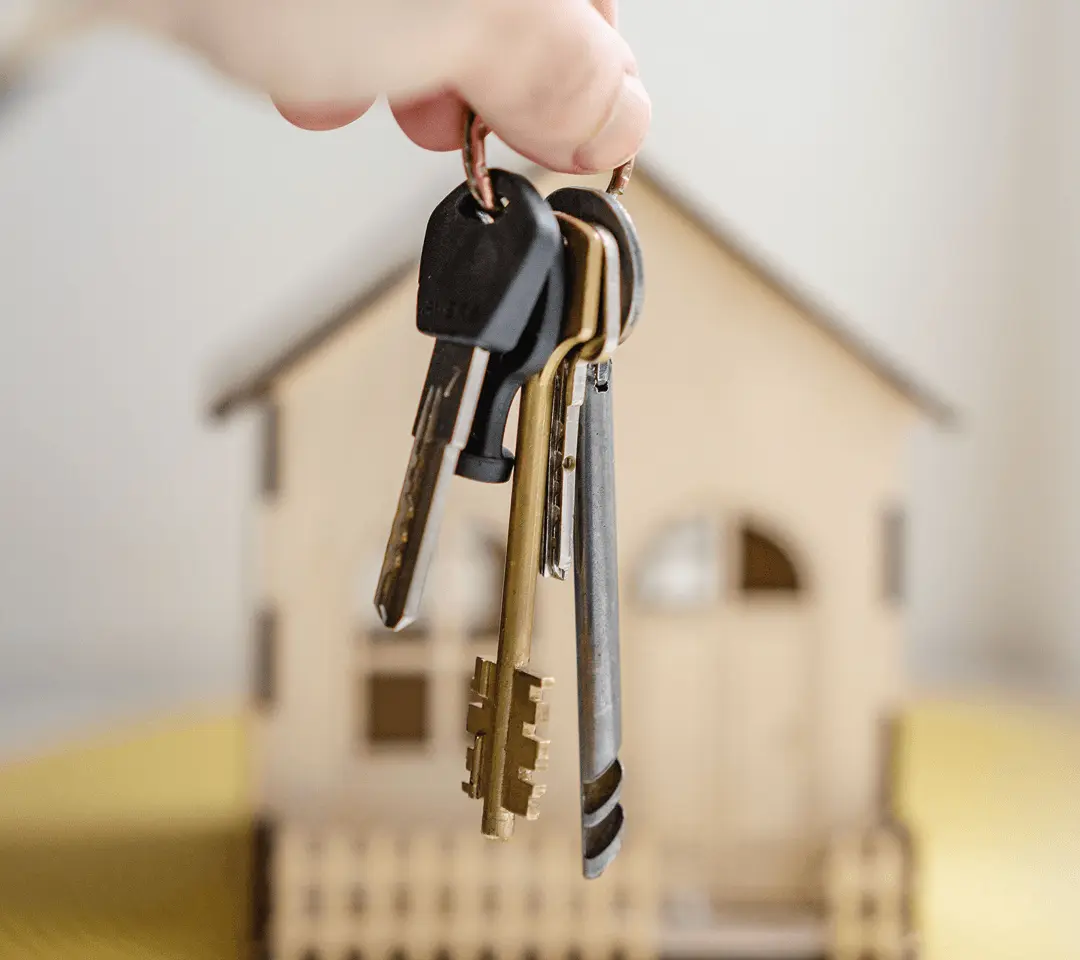
Do I need a Realtor for new construction?

Yes. The builder’s sales representative works for the builder. Having your own Realtor gives you someone focused on your questions, your timeline, and your best interests.

Does it cost more to use a Realtor?

Can I negotiate with a builder?

Should I get an inspection on new construction?

Are taxes higher on new construction?

Thinking About Buying New Construction?

Whether you're just starting your search or comparing builders and communities, I’d love to help you navigate the process with clarity and confidence.
Results That Speak for Themselves

NateKruedelbach

We love Delilah. She stuck with us up to the end! Helped us a lot as first time homebuyers. She is fantastic!!!! Couldn’t recommend more. Thoughtful, and was very patient with us.

bagita29

Delilah was excellent. She made the whole process smoother in purchasing our first home. From the showing ( of mutliple houses) to the closing she's been very helpful, accomodating, and knowledgeable. She's got a network of resources that can help while purchasing a home and afterwards. She responds quickly to all our questions. She made sure we're kept in the loop about updates and where we're at in the process of the purchase. I'm really happy she was our realtor. Definitely recommend.

9211th

Working with Delilah was pleasant and easy. She was responsive and met us at every appointment. She was knowledgeable and it felt She was doing her best at representing us. He knowledge came in handy when knowing what we should do and what we were were intilte too.

GET MORE INFORMATION

Name
Phone*
Message