Are Older Houston Homes a Good Investment? Here’s What Buyers Should Really Consider

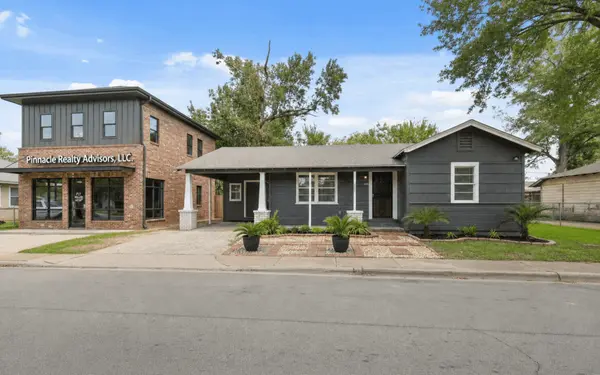
In Houston, especially in established areas like Cypress, Spring, and many long-standing communities, older homes come up in conversation a lot. Some buyers love the idea of character and mature neighborhoods, while others wonder if they’re taking on too much risk.
The honest answer? Older homes can be a strong purchase for the right buyer, but success usually comes down to smart due diligence, realistic expectations, and understanding your protections during the process.
The short version
- Age alone doesn’t determine value. Maintenance does.
- Location and lot quality in established areas are hard to replicate in new development.
- The option period is where you convert uncertainty into information.
- Budget for the next five years of systems, not just the purchase price.
Why Buyers Are Looking at Older Homes Right Now
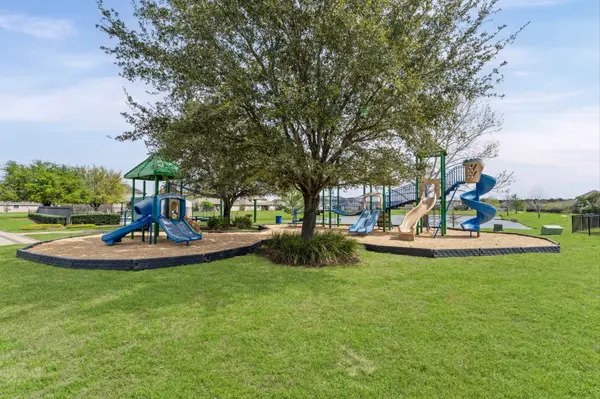
Many established Houston neighborhoods offer things newer developments sometimes don’t. Mature trees, larger lots, established amenities, and convenient access to major roadways and daily essentials.
But what really matters isn’t just the age of the home. It’s:
- Location and long-term desirability of the area
- The structure and layout of the property
- Maintenance history and updates over time
- Overall condition compared to similar homes nearby
Age alone doesn’t determine value. Maintenance does. A well-cared-for home built decades ago may present fewer surprises than a newer property that hasn’t been maintained properly.
What Older Homes Offer That New Construction Usually Can’t
It’s worth being specific about the upside, because it tends to get lost behind the caution.
- Lot size and tree canopy. Land in established neighborhoods was subdivided under different economics. Mature trees in particular cannot be bought, only inherited, and they change how a property feels and how it handles Houston summers.
- Location that’s already built out. The grocery store, the pharmacy, the route to work. Newer areas often catch up eventually, but established neighborhoods are done waiting.
- A known quantity. Drainage patterns, how the street behaves in heavy rain, how the neighborhood has held its value through multiple cycles. Decades of history is data.
- Room to add value. Cosmetic dating is the cheapest problem in real estate. A structurally sound home with dated finishes gives you a lever that a fully finished new build does not.
- Defined rooms. Not everyone wants open-concept. Separate spaces work well for households where people need to do different things at the same time.
Maintenance Matters More Than the Year Built
One thing I always remind buyers: older homes are not automatically “problems.” What matters is how the property has been cared for over time.
When touring homes in Cypress, Spring, or other established communities, I encourage clients to look beyond décor and focus on:
- Major systems like roof, HVAC, plumbing, and electrical
- Signs of consistent upkeep
- Thoughtful upgrades or renovations
- Structural flow and functionality
Cosmetic updates can be changed. Structural layout and maintenance history are what truly shape long-term livability.
Questions Worth Asking, Depending on the Era
Different construction eras raise different conversations. None of these are automatic red flags. They’re simply the questions I’d want answered before the option period ends.
| Roughly… | Common things to ask your inspector about |
|---|---|
| Any age | Roof age and remaining life, HVAC age and service records, water heater age, foundation performance, drainage around the slab |
| Mid-century and older | Original supply and drain line materials, panel type and capacity, insulation levels, window condition and efficiency |
| 1970s to 1990s | Whether original plumbing or wiring has been updated, whether the panel has known service history, any past re-piping |
| Anything renovated | Whether work was permitted, who performed it, and whether documentation exists |
Every property is different. A licensed inspector evaluates the specific home. This list is only meant to help you ask better questions.
How the Option Period Helps Protect Buyers
In Texas, the option period is one of the most important tools buyers have when evaluating a property, especially older homes.
During this timeframe, buyers typically have the opportunity to complete inspections and take a closer look at the home’s condition. Depending on what’s discovered, and what the contract outlines, buyers may have options such as:
- Requesting repairs or negotiating potential credits
- Re-evaluating whether the home aligns with their goals
- Choosing to move forward or terminate within the allowed timeline
The key thing to remember is that every situation is unique, and outcomes depend on the contract terms, timelines, and negotiation between parties. The option period isn’t about finding perfection. It’s about making informed decisions.
Think in Five-Year Cost, Not Just Purchase Price
The buyers who do best with older homes are the ones who price the ownership, not just the house. Before you commit, it’s worth sketching out:
- What’s likely due soon. If the roof and HVAC are both near the end of their expected life, that’s a planning item, not necessarily a dealbreaker.
- What you actually want to change. Separate “needs attention” from “I’d like it different.” Those are different budgets.
- What the price already reflects. Sometimes condition is baked into the number. Sometimes it isn’t. Comparable sales tell you which.
- Insurance and tax expectations. Worth confirming early rather than at closing.
An older home with a realistic five-year plan often beats a newer home bought at the edge of a budget with no reserve at all.
Older Homes vs. New Construction
Some buyers are drawn to newer homes for modern finishes and energy efficiency, while others appreciate the character and location of established neighborhoods. Neither choice is automatically “better.”
| Established / older homes | New construction | |
|---|---|---|
| Lots & trees | Often larger, mature landscaping | Typically newer, still developing |
| Systems | Varies entirely by upkeep | New, often under builder warranty |
| Layout | Defined rooms, traditional flow | Open-concept, flexible spaces |
| Timeline | Move-in on a resale schedule | May involve a build period |
| Where the risk sits | Condition, managed through inspection | Contract terms, managed through review |
What matters most is your long-term plans, your comfort level with maintenance, and the condition and pricing of the specific property. A strategic evaluation, not assumptions, helps buyers feel confident in their decision.
When I’d Tell a Buyer to Think Twice
I’m generally optimistic about older homes. But there are situations where I’d slow a client down and make sure they understood what they were signing up for.
- When the budget has no room. If the purchase uses every dollar, an older home is a harder fit. Deferred maintenance eventually arrives and it doesn’t consult your calendar.
- When several big-ticket items are due at once. One aging system is a plan. Roof, HVAC, water heater and a foundation question all together is a project, and it should be priced like one.
- When the timeline is tight. Buyers who need to be in and settled quickly are often better served by a home that needs nothing immediately.
- When the renovation is really the point. Wanting to renovate is fine. Assuming it will be fast, cheap and easy is where people get hurt. Get bids before you commit, not after.
- When the seller won’t allow reasonable inspection access. That’s worth paying attention to on any property, at any age.
None of these mean no. They mean go in with your eyes open and your numbers real.
Frequently Asked Questions
Do older homes appreciate as well as newer ones?
Appreciation is driven far more by location, condition and broader market dynamics than by year built. An older home in a desirable, established area with good maintenance can perform very differently from an older home that has been neglected, even on the same street.
Are older homes harder to insure?
Not necessarily, but system age, roof in particular, can affect quotes and requirements. It’s worth getting an insurance quote during the option period rather than assuming.
How much should I set aside for maintenance?
There’s no universal number, and it depends heavily on the specific home’s condition and what your inspection reveals. The more useful exercise is listing the actual systems and their remaining life, then planning around those.
Is a home with lots of updates always the better buy?
Not automatically. Cosmetic updates are visible. System updates often aren’t. A beautifully staged home with an original roof and a 20-year-old HVAC may need more near-term investment than a plainer home where the expensive things were already handled.
Should I be worried about foundations in the Houston area?
Foundation performance is a normal part of the conversation here, and it’s something inspectors evaluate routinely. Movement is not automatically a crisis, and many homes perform well for decades. What matters is what a qualified professional observes at the specific property, and what documentation exists about any past work. If questions come up, a structural evaluation during the option period is the right next step.
Can I renovate right after closing?
Many buyers do. Just plan the money and the sequence in advance, and confirm what permits your work may require. It’s also worth knowing that renovation loan programs exist which fold certain improvements into the financing. Ask your lender whether one fits your situation before you close.
Final Thoughts for Houston-Area Buyers
Are older Houston homes a good investment? The better question is whether a specific home aligns with your goals, budget, and expectations.
With the right due diligence, clear expectations, and a thoughtful strategy during the option period, many buyers find opportunities in established communities that make sense for their lifestyle.
Keep reading
- Why Inspections Don’t “Kill Deals”… Surprises Do
- What “As-Is” Really Means in Texas Real Estate
- New Construction Near Grand Parkway, the other side of the comparison
Considering an established Houston neighborhood?
If you’re looking in Cypress, Spring, or other established Houston areas, I’m always happy to help you evaluate properties from a practical, informed perspective, so you can move forward feeling prepared and confident.
This content is for general informational purposes only and is not legal, tax, financial, or engineering advice. Property conditions vary; buyers should rely on licensed inspectors and their own independent due diligence. Contract terms, option periods, and negotiation outcomes depend on the executed agreement between the parties. Equal Housing Opportunity.
Results That Speak for Themselves