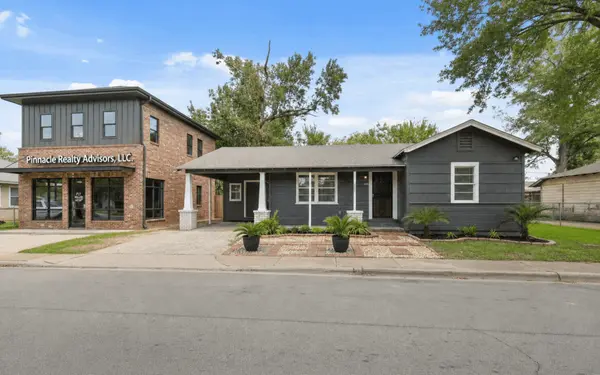
Prepping to Sell in 2026: Simple Winter Steps That Set You Up for Success
By Delilah Ware, REALTOR®, CB&A, Realtors
If you’re contemplating selling your home in 2026, it’s important to know that the most successful sales are often the result of meticulous preparation months before the property is listed.
While winter might seem like a time to slow down, it’s actually an ideal season to begin your preparations. As the holiday hustle subsides and we embrace a new year, there are strategic steps you can take now to save time, reduce stress, and even cut costs down the line.
Having guided numerous homeowners across Montgomery County, Lake Conroe, and northwest Houston to market readiness, I’ve consistently heard from those who started early: “I’m so glad I didn’t wait.”
The short version
- Start 90 days out, not two weeks out. Time is the cheapest leverage you have.
- A pre-inspection puts you in control of cost, timeline and narrative.
- Curb appeal is the first impression, and it works in every season.
- Not all upgrades pay off. Strategy beats spending.
Your 90-Day Pre-Listing Timeline
Here’s the sequence I walk sellers through. It works whether you’re listing in spring or any other time of year. The point is that each step buys you options on the next one.
| When | What to focus on |
|---|---|
| 90 days out | Strategy session. Pricing conversation, target timeline, and an honest list of what actually needs doing. Schedule the pre-inspection. |
| 60 to 90 days out | Get bids on anything the pre-inspection surfaced. Book trades early, since good ones are scheduled out. Begin decluttering in earnest. |
| 45 to 60 days out | Repairs and touch-up paint. Donate or store what isn’t moving with you. Address anything that would read as deferred maintenance. |
| 21 to 30 days out | Deep clean, exterior refresh, landscaping and mulch. Final staging decisions. |
| 7 to 14 days out | Photography, video and floor plan. Confirm pricing against the most current comparable sales. |
| Launch week | Go live, showings begin, and we track feedback closely in the first ten days. That window tells us the most. |
Begin with a Winter Reset
Consider this season your pre-listing clean slate, a perfect opportunity to rejuvenate your home before the bustling spring market.
Use the cooler months to declutter, deep clean, and tackle those small, postponed projects that can significantly impact your home’s appeal.
- Donate or store items you don’t intend to move.
- Refresh baseboards, grout, and windows, details that invariably catch buyers’ eyes.
- Touch up paint and replace lightbulbs with brighter, cooler-toned ones for a fresh, vibrant ambiance.
Though these tasks might seem minor, collectively they create a compelling first impression. Buyers can instantly sense the difference between a home that has been meticulously maintained and one that hasn’t. A clean, refreshed space conveys: this home has been cherished.
What to Do About Everything You’re Not Moving
Decluttering is the single most-recommended and least-followed piece of seller advice, and I think that’s because “declutter” isn’t actually an instruction. It’s a category. Here is what it looks like as a plan.
Work in four piles, room by room, one room per session:
- Moving with you. Pack it now if you won’t need it in the next few months. Boxed and stacked neatly in a garage corner reads as “organized seller,” not “chaos.”
- Donating. Schedule the pickup before you start sorting. A deadline turns a pile into a decision.
- Selling. Be honest about whether you’ll actually list it. If it’s been in the “sell” pile for three weeks, it’s a donation.
- Trash. A small dumpster rental costs less than most people assume and removes the biggest bottleneck, which is having nowhere to put things.
A short-term storage unit for the listing period is often money well spent. Roughly a third less furniture makes rooms photograph larger, and you were going to have to pack it eventually anyway. Think of it as starting the move early rather than as an added expense.
The Room-by-Room Punch List
When sellers ask me where to start, this is what I hand them. None of it is expensive. All of it shows up in photos.
| Area | Highest-impact moves |
|---|---|
| Entry | Fresh doormat, painted or cleaned front door, polished hardware, working doorbell, clear porch |
| Kitchen | Clear counters almost completely, clean grout and caulk lines, degrease vent hood, replace dated cabinet hardware |
| Bathrooms | Re-caulk tub and shower, fresh white towels, replace worn toilet seats, clear every counter |
| Living areas | Remove roughly a third of the furniture, clean windows inside and out, wash walls at switch height, open every blind |
| Bedrooms | Neutral bedding, closets no more than two-thirds full, personal photos packed away |
| Garage & storage | Get the floor visible, get bins off the ground, sweep it out. Buyers do open that door. |
| Exterior | Pressure wash, edge the beds, fresh mulch, trim anything touching the roof or siding |
Schedule a Pre-Inspection
A pre-inspection is one of my preferred strategies for sellers, because knowledge is power. It helps identify minor maintenance issues before they evolve into buyer deterrents or expensive surprises.
Whether it’s a slow drain, worn roof flashing, or an aging water heater, understanding the state of your home early on allows you to control the timeline, the budget, and the narrative. Instead of scrambling post-contract, you can address minor issues on your terms, maintaining more financial control.
The reality is that most buyers aren’t looking for a fixer-upper. They want a home that feels well cared for. By taking the initiative now, you not only avert future stress but also project transparency and confidence. In today’s market, that level of preparedness helps you stand out and negotiate from a position of strength.
Enhance First Impressions
Curb appeal isn’t just a spring affair. It’s the initial hello your home offers every potential buyer. Even during winter, a neat yard, fresh mulch, and a pressure-washed walkway can dramatically alter your home’s presentation.
Incorporate touches of green with potted evergreens, replace worn doormats, and leverage the power of lighting. Soft, warm bulbs can make your home glow during early-evening showings.
Recently, one of my clients allowed me to enhance their front entry with fresh mulch, new plants, and a splash of color at the door. Within days, they were under contract, illustrating how these thoughtful touches can make a significant impression.
Where the Money Is Usually Best Spent
Not all upgrades are equal, and my role is to guide you in focusing your efforts where they matter most. As a general pattern:
| Usually worth it | Usually think twice |
|---|---|
| Deep cleaning and decluttering | Full kitchen or bath gut renovation right before listing |
| Neutral paint in high-visibility rooms | Bold or highly personal design choices |
| Landscaping, mulch and pressure washing | Elaborate hardscape or pool additions |
| Hardware, lighting and fixture swaps | Premium finishes above the neighborhood’s price ceiling |
| Fixing what the pre-inspection flagged | Projects that can’t finish before photos |
Return on any improvement varies by property, neighborhood, and market conditions. These are general patterns, not guarantees.
Sometimes it’s as simple as updating hardware or painting the front door. Other times, a modest kitchen refresh can deliver substantial rewards.
The First Ten Days Tell You Almost Everything
All that preparation is aimed at one window. The first week and a half on market is when your home gets the most attention it will ever get, and the response during that stretch is the most honest feedback available.
Here’s roughly how I read it:
- Strong showing traffic and offers. Pricing and presentation are aligned. This is the goal.
- Strong traffic, no offers. People are interested enough to come, but something about the home in person isn’t landing. Usually condition, layout or price relative to what they saw inside.
- Light traffic. Fewer people are getting past the photos and the price. That’s typically a pricing or marketing conversation, not a home conversation.
- Consistent feedback on the same item. When three separate buyers mention the same thing, that’s not opinion anymore. It’s data, and it’s worth acting on quickly.
The sellers who do best are the ones willing to respond to what the market is telling them in week two rather than week eight. Preparation is what makes that window count, but staying responsive afterward is what closes it.
Frequently Asked Questions
How early should I really start?
Ninety days is comfortable. Sixty is workable. Anything under thirty means you’re making decisions under time pressure, which is exactly when prep gets expensive.
Do I have to fix everything the pre-inspection finds?
No. The value of going first is that you get to choose: repair it, price for it, or disclose it. What you avoid is having someone else make that choice for you mid-contract.
Is staging worth it?
It depends on the home. Occupied homes often need editing more than furnishing, meaning removing rather than adding. Vacant homes benefit more from staging because empty rooms photograph small and read cold.
What if I’m not sure I’m selling yet?
That’s a perfectly good reason to have the conversation. Knowing your home’s position in the current market is useful information whether you list next quarter or next year.
Should I sell before I buy, or buy before I sell?
It depends on your equity position, your financing options and how much uncertainty you can tolerate. Both paths work, and both have trade-offs. This is worth mapping out early with your agent and your lender together, because the answer shapes your entire timeline.
Does the season I list in matter?
Buyer activity does tend to follow seasonal patterns, but the condition of your home and how it’s priced matter considerably more than the month on the calendar. A well-prepared home listed in a quieter season often outperforms an unprepared one listed at the peak.
Keep reading
Curious what your home could bring today?
Let’s arrange your complimentary seller strategy session. I’ll share insights on current market trends and identify the upgrades likely to make the biggest impact for your specific home.
This content is for general informational purposes only and is not legal, tax, or financial advice. Home preparation costs and any resulting effect on sale price or time on market vary by property, neighborhood, and market conditions, and no specific outcome is guaranteed. Equal Housing Opportunity.
Results That Speak for Themselves